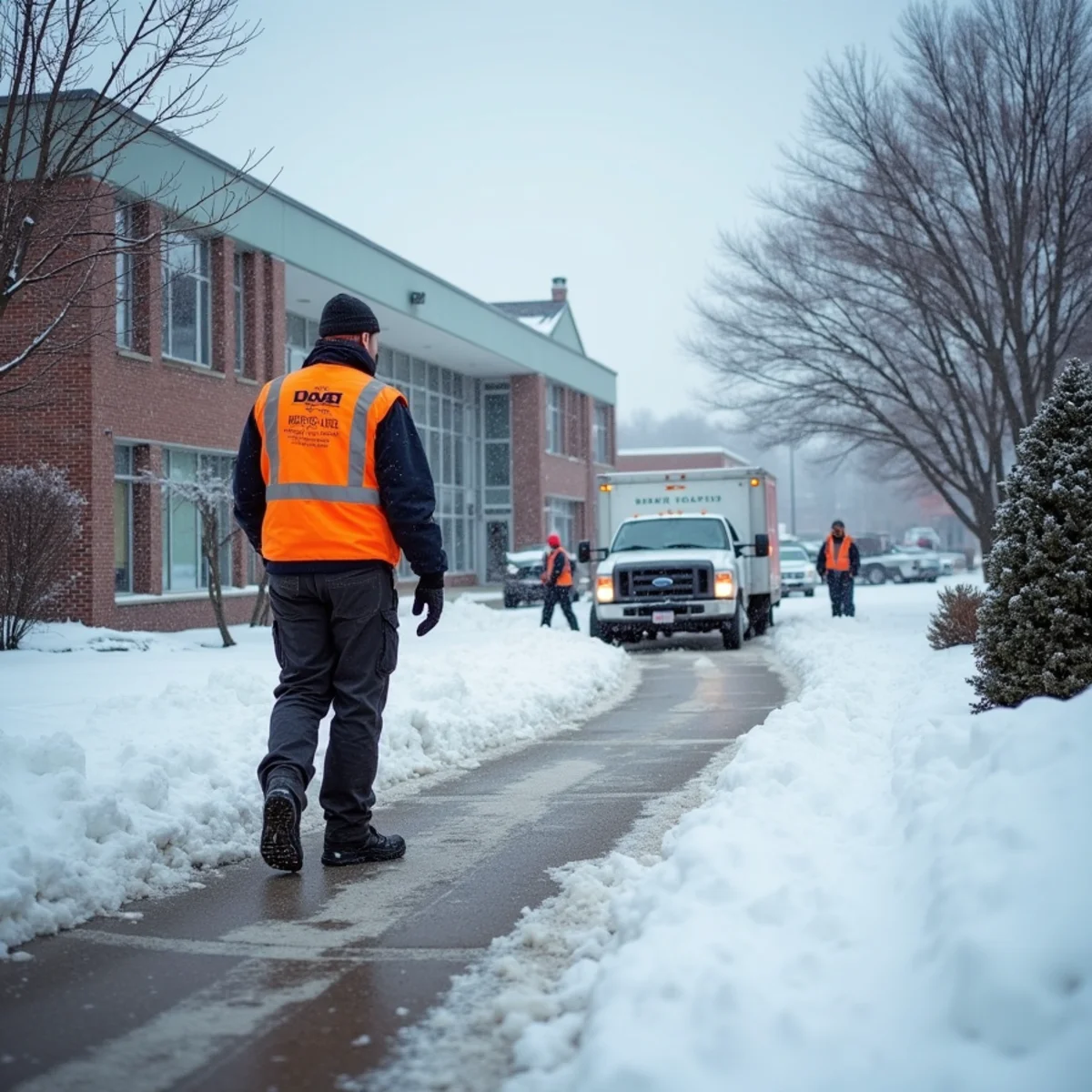
Commercial Snow Plowing Protocols: Managing Winter Ice Storms in Butler & Hamilton Counties
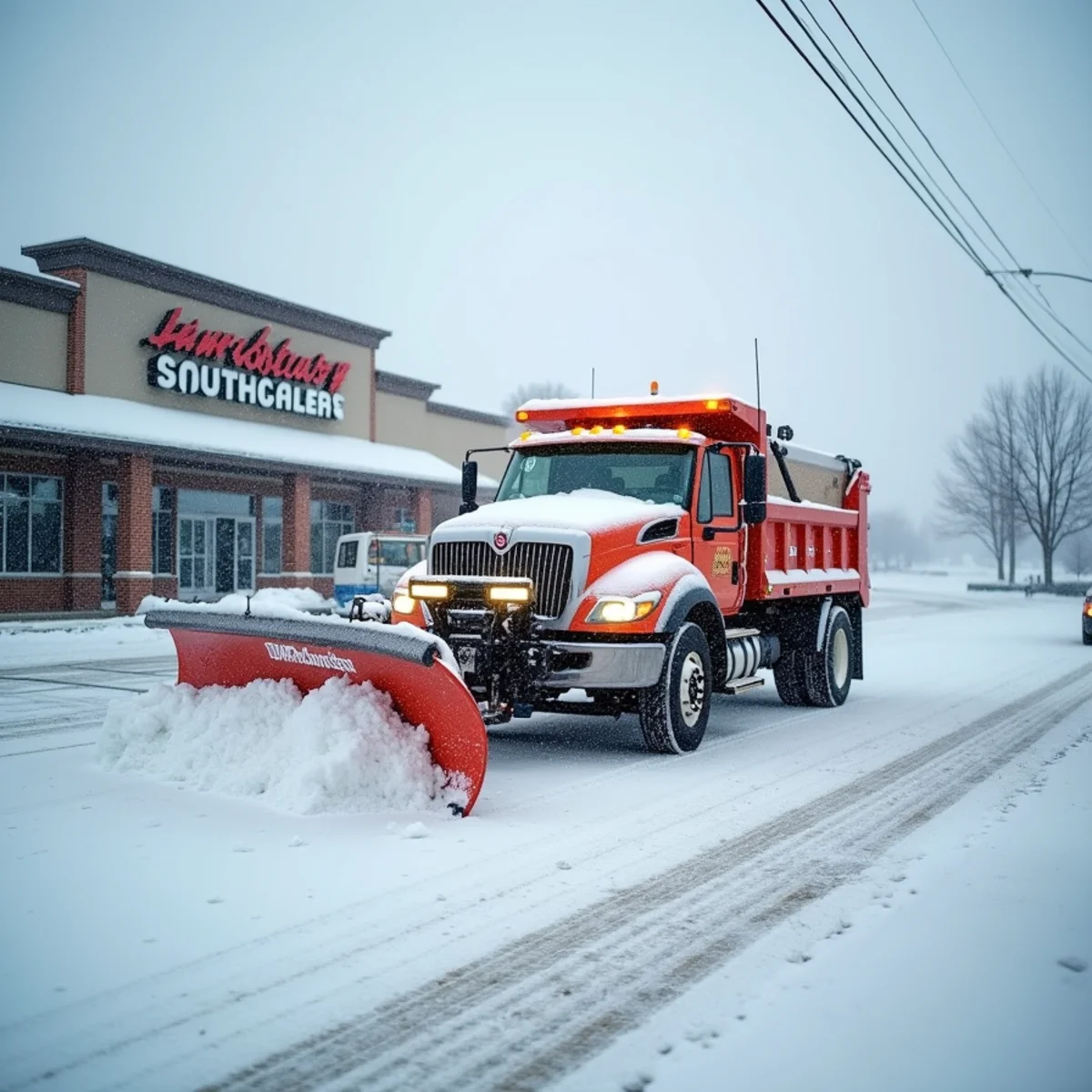
For a commercial property, a winter storm is not just an inconvenience, it is a liability and a revenue question. An unplowed lot closes your business, and an icy walkway is a slip-and-fall claim waiting to happen. Winter weather in Butler and Hamilton counties is unpredictable, we get everything from a dusting to an overnight ice storm, so the properties that stay open and safe are the ones with a plan in place before the first flake falls.
It starts with a site plan, not a plow truck
Every commercial property is different, and effective snow management begins by mapping yours: where snow gets pushed and stacked so it does not block parking or drainage, which entrances and fire lanes must stay clear, where pedestrians cross, and how meltwater will drain when it refreezes overnight. A good plan accounts for where the snow goes as carefully as how it gets moved, because a pile dumped in the wrong spot becomes a sheet of ice by morning.
- Priority zones: entrances, ADA access, fire lanes, and loading areas cleared first.
- Snow storage locations chosen to protect drainage, sight lines, and parking count.
- Pedestrian routes and walkways treated separately from vehicle areas.
Trigger depths and timing
Professional service runs on defined triggers rather than guesswork. A typical retail agreement specifies a snowfall depth, often around two inches, that automatically dispatches plows, with continued service during longer storms so accumulation never gets ahead of the crew. For high-traffic properties like medical and retail centers, treatment often begins earlier and continues through the event. The point is that you are not calling to beg for a truck at 5 a.m., the service is already triggered.
The ice problem in Southwest Ohio
Our region often gets the freezing rain and sleet that ride the line between winter storms, and ice is far more dangerous than snow for a commercial property. This is where salting and deicing protocols matter most. Timing the application, choosing the right material for the temperature, and re-treating as refreeze sets in overnight are what keep a lot genuinely safe. Our commercial snow plowing and salting service treats deicing as a discipline, not an afterthought.
Why material and temperature matter
Rock salt loses effectiveness as temperatures drop, and over-application wastes money and damages surrounding landscaping and concrete. Matching the product and rate to the actual pavement temperature keeps walkways safe without burning through material or your budget.
Documentation protects you
In a slip-and-fall claim, the property owner who can produce time-stamped service records is in a completely different position than one who cannot. Professional programs log each visit: when crews arrived, what was plowed, and where and when deicer was applied. That record is one of the most valuable things a commercial client gets, and it is a natural extension of a full commercial grounds maintenance relationship that already knows your property inside and out.
Planning for the storms that fall between snow and rain
The trickiest events in our region are not the big, obvious snowfalls, they are the marginal storms that ride the freezing line. A wintry mix that starts as rain, turns to sleet, and finishes as a hard overnight freeze can leave a lot looking clear at dinnertime and glazed with ice by the morning open. Those are the events that catch unprepared properties, because there is nothing to plow, only a thin, deadly sheet to treat. A professional program watches the forecast and pavement temperatures ahead of these storms and pre-treats accordingly, rather than reacting after the ice has already formed. That anticipation is exactly what a per-event, call-when-you-need-it arrangement cannot deliver, and it is why serious commercial properties commit to a season-long plan.
One vendor, year-round
Properties across Hamilton and up toward Cincinnati benefit from a single crew that maintains the grounds in the growing season and clears the snow in winter. The same team already knows where the drains are, where the delicate plantings sit, and how traffic flows, which makes winter service faster and less damaging to your landscape.
- Faster response from a crew that already knows your site.
- No landscape damage from plows unfamiliar with bed edges and irrigation heads.
- One point of contact and one invoice for year-round grounds care.
The trigger detail most snow contracts get wrong
Most snow agreements live or die on the trigger, and the detail that trips up commercial properties is treating a two-inch plow trigger as the whole plan. A trigger tells the crew when to push accumulation; it says nothing about the freezing drizzle, refreeze, and drifting that make a lot dangerous well below that depth. A serious program pairs the plow trigger with a separate deicing standard driven by pavement temperature and forecast, not snow depth alone.
The other overlooked clause is per-push versus seasonal billing. Per-push looks cheaper in a mild winter and punishes you in a bad one; a seasonal rate spreads the risk and keeps the crew motivated to service proactively rather than waiting for a billable depth. Properties that also carry Fairfield and Hamilton-area foot traffic usually come out ahead committing to a season-long plan with clear escalation for ice events.
What a commercial snow contract should spell out
- Separate triggers for plowing and for deicing.
- Priority sequence: entrances, ADA access, fire lanes, then general parking.
- Designated snow-storage zones that protect drainage and sightlines.
- Time-stamped service logs for every visit and treatment.
Lock in your winter plan before the first storm
The best time to set up commercial snow service is well before winter, when we can walk your property, agree on trigger depths, and map your priorities. If you manage a retail center, office park, medical facility, or any property that has to stay open and safe through an Ohio winter, call Galan's Landscaping at (323) 606-0255 and we will build a plan that keeps your lot clear and your liability covered.
Frequently Asked Questions
It is set in your agreement, commonly around two inches for plowing, with pre-treatment or earlier deicing for high-traffic properties. We tailor the trigger to your site and traffic.