Fall Landscape Preparation in Butler County: High-Volume Leaf Removal and Winterizer Turf Food
Most people think of spring as lawn season, but the truth is that fall is when next year's lawn is actually won or lost. The work you do, or skip, in October and November determines how your grass comes through winter and how it looks next May. In Butler County, with our mature trees and hard winters, fall preparation comes down to two big jobs done well: getting the leaves off, and feeding the lawn for winter.
Why leaves are more than a chore
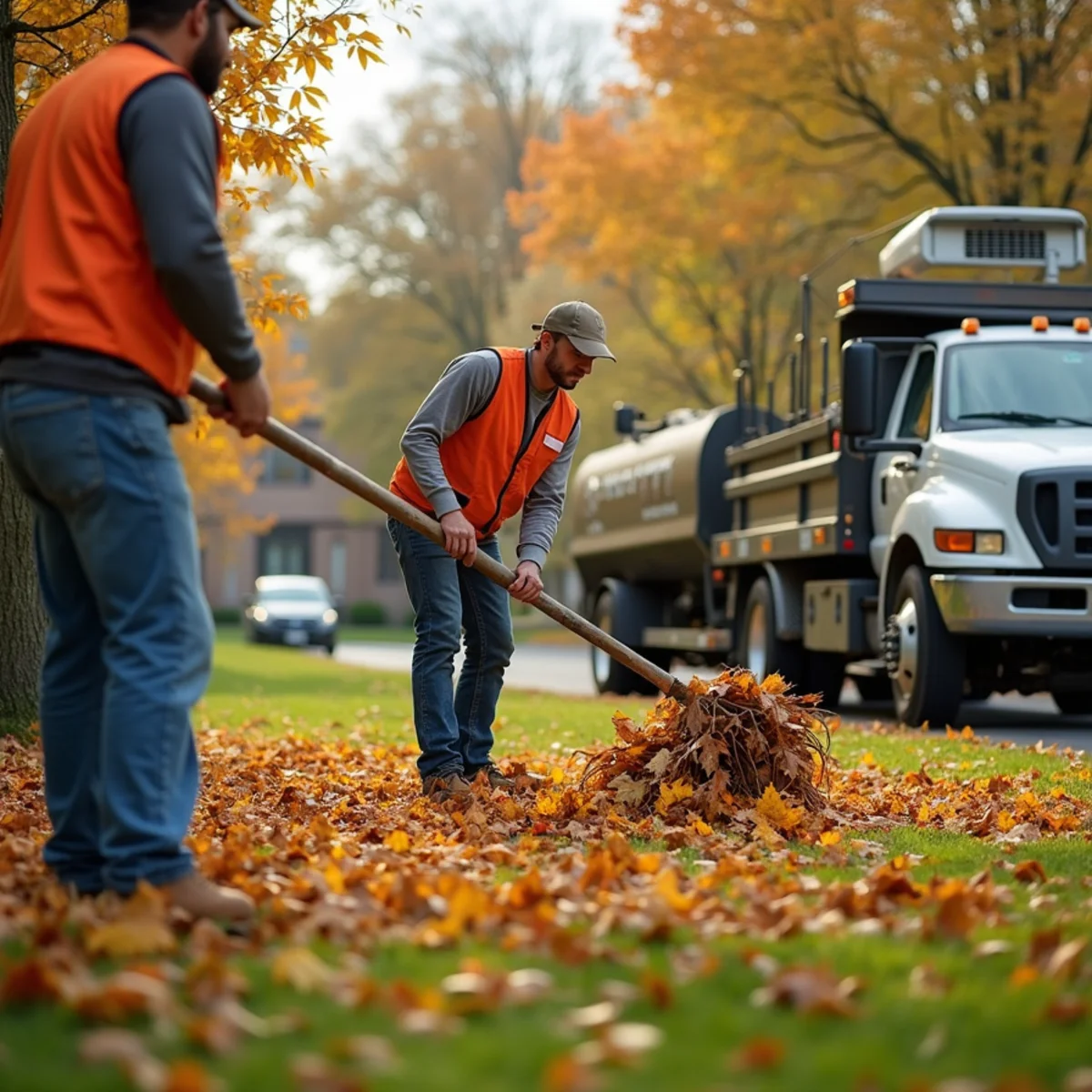
A yard with mature oaks and maples can drop an astonishing volume of leaves, and leaving them on the lawn does real harm. A thick, wet mat of leaves blocks sunlight and traps moisture against the grass, which smothers the turf and creates perfect conditions for snow mold and disease over winter. What looks like a tidiness issue is actually a lawn-health issue.
- Matted leaves smother grass and block the sunlight it still needs in fall.
- Trapped moisture invites fungal disease and snow mold under winter snow.
- Leaves left in beds can harbor pests and rot at plant crowns.
High-volume leaf removal done right
On heavily wooded properties, leaf removal is a real operation, not a Saturday rake. The leaves keep falling over several weeks, so the right approach is timed passes that keep the lawn clear without waiting for every last leaf. Our seasonal fall cleanup service handles the high volume that mature Butler County lots produce, clearing turf and beds so grass stays healthy and your property looks cared-for right up to winter.
Winterizer: the most valuable feeding of the year
If you fertilize your lawn only once a year, fall is the time to do it. As top growth slows, cool-season grasses shift energy into their roots, and a late-fall winterizer feeding fuels exactly that. The grass stores those nutrients over winter, comes out of dormancy faster and greener in spring, and builds the deep root system that carries it through the next summer's heat. It is genuinely the highest-payoff feeding of the year.
What fall feeding sets up
- Stronger, deeper roots going into winter.
- Faster, greener green-up in spring without a heavy spring push.
- Better drought and heat tolerance the following summer.
The rest of the fall checklist
Beyond leaves and feeding, a few more fall jobs pay off. Fall is the ideal window for seeding and overseeding, the soil is still warm, nights are cool, and weed pressure is low, giving new grass its best chance to establish. It is also the right time for a final mow at the proper height, cutting back spent perennials, and a fresh layer of mulch to insulate roots against freeze-thaw over winter.
- Timed leaf removal passes through the season.
- Fall overseeding of thin areas while the soil is warm.
- Late-fall winterizer feeding.
- Final mow at the correct height for winter.
- Cut back perennials and refresh mulch for insulation.
Keep momentum with year-round care
Fall preparation works best as part of a consistent program rather than a one-off scramble. A lawn that has been mowed and cared for properly all season goes into fall healthy and comes out of winter strong. Ongoing lawn mowing and turf care keeps that continuity, so the fall work builds on a healthy foundation instead of trying to rescue a neglected one.
Protecting beds, trees, and hardscaping for winter
Fall preparation extends beyond the lawn to everything else in the landscape. Perennial beds benefit from cutting back spent growth and topping off mulch, which insulates roots against the freeze-thaw heaving that pushes shallow-rooted plants out of the ground over winter. Young and newly planted trees appreciate a deep watering before the ground freezes, since a hydrated root system weathers winter far better than a dry one. It is also a smart time to look up at your mature trees and note any dead limbs or defects that the coming ice and wind could bring down, so they can be dealt with before storm season rather than after. Handling all of this in one coordinated fall visit, rather than piecemeal, gets the whole property ready for winter at once and keeps costs down.
A local job with local timing
The right fall timing shifts a bit each year with the weather, and it varies across communities from West Chester to Middletown depending on tree cover and first frost. Getting the leaves off at the right intervals and the winterizer down at the right moment is what separates a lawn that thrives next spring from one that struggles.
Why leaf timing beats leaf volume
Homeowners fixate on getting every leaf up in one heroic weekend, but the health question is timing, not the final rake. Grass keeps photosynthesizing well into fall, and a mat of wet leaves smothering it for three weeks does more damage than the same leaves cleared in timed passes. On a heavily wooded lot, two or three well-spaced passes keep the turf breathing all season, where a single late cleanup means weeks of suffocation first.
Fall is also the right moment to look up, not just down. With the leaves off the canopy, dead limbs and defects that ice and wind could bring down are easy to spot, and dealing with them through tree and branch removal before storm season is far cheaper and safer than after. One coordinated fall visit can handle leaves, feeding, and hazard limbs together.
The fall priority order
- Timed leaf passes so turf never sits smothered.
- Fall overseeding of thin areas while the soil is still warm.
- Late-fall winterizer feeding for root storage.
- Deep-water young trees and note hazard limbs before frost.
Set up your fall program now
Do not let fallen leaves smother the lawn you worked on all summer, and do not skip the one feeding that matters most. Call Galan's Landscaping at (323) 606-0255 to set up high-volume leaf removal and a fall winterizing program that has your lawn ready to explode with green next spring.
Frequently Asked Questions
Fall is when cool-season grass builds roots and stores energy for the year ahead. Timely leaf removal keeps the turf from smothering, and a late-fall feeding drives a faster, greener spring and better summer resilience.