Protecting Ohio Landscapes from Winter Road Salt Damage and Freeze-Thaw Ground Heave
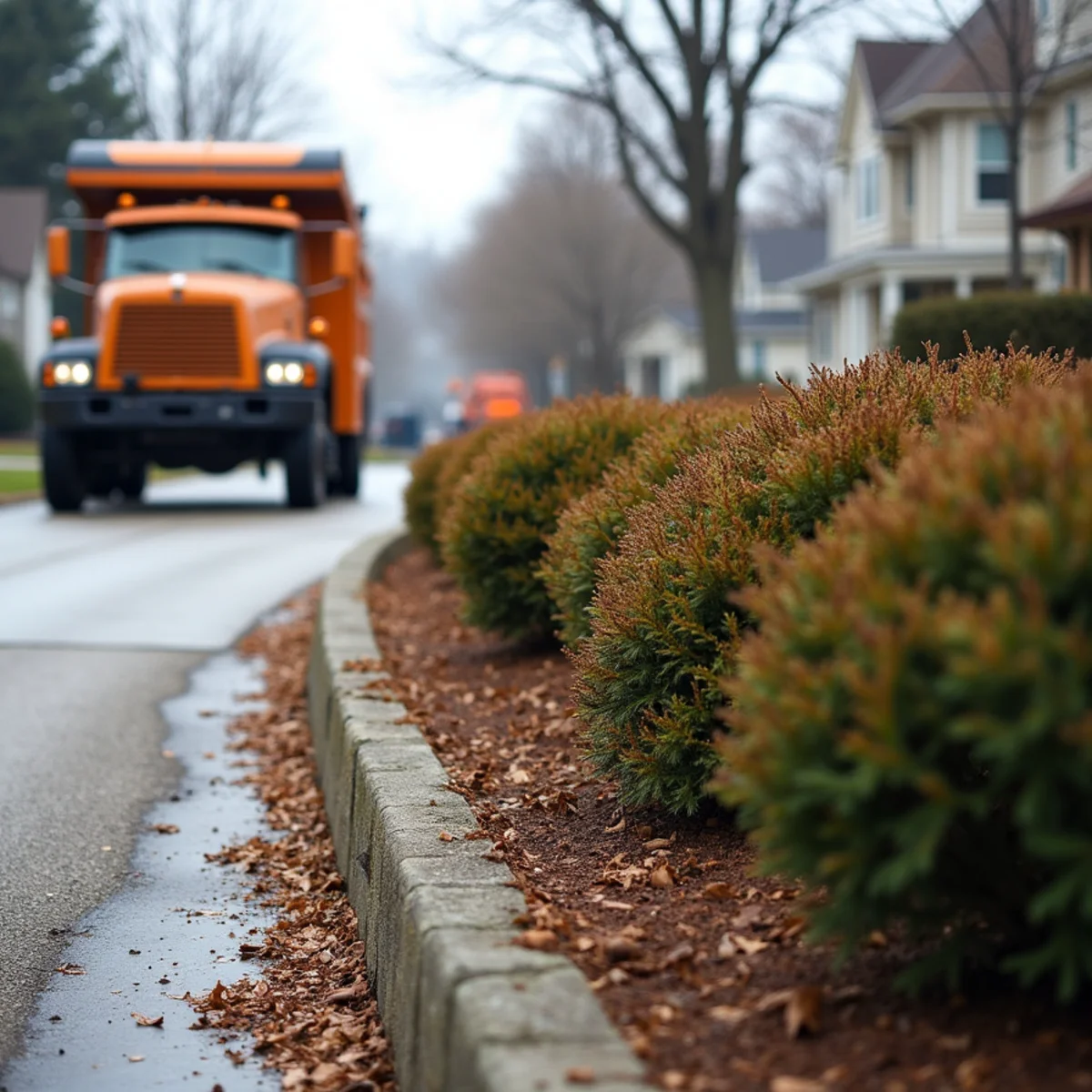
Every spring, homeowners notice the same thing: the grass along the driveway and street is dead in a brown stripe, the evergreens near the walk have turned rusty and scorched, and some shrubs never leafed out. The culprit is usually winter, specifically the road salt used to keep pavement safe and the freeze-thaw cycling that works on plant roots. Both are unavoidable in Ohio, but the damage they cause is largely preventable.
How road salt hurts plants
Deicing salt damages landscapes in two ways. Salt spray thrown up by traffic and plows lands on evergreen foliage and dries it out, causing the brown, scorched look on the road-facing side of arborvitae, boxwood, and pines. And salt-laden meltwater soaks into the soil along drives and walks, where it disrupts roots' ability to take up water, essentially causing drought stress in the middle of winter and killing turf and sensitive plants at the edges.
- Brown, burnt foliage on the traffic-facing side of evergreens.
- Dead stripes of turf along driveways, walks, and the street.
- Shrubs that leaf out late, sparsely, or not at all in spring.
- Stunted growth in beds bordering salted pavement.
Freeze-thaw and ground heave
The second winter threat is mechanical. Our clay soil swells when it freezes and shrinks when it thaws, and it does this over and over through a typical winter. That heaving can literally push shallow-rooted and newly planted perennials, shrubs, and grasses up out of the ground, exposing roots to drying wind and cold. It also stresses everything with roots in the top layer of soil, which is why fall-planted material needs extra protection its first winter.
Practical protection that works
- Mulch for insulation. A proper layer of mulch over beds moderates soil temperature swings and reduces heaving. It is the simplest, most effective defense.
- Barriers for salt spray. Burlap screens on the road-facing side of vulnerable evergreens block much of the spray.
- Smart plant placement. Keeping salt-sensitive species away from driveway and street edges, and choosing salt-tolerant plants for those zones, prevents the problem.
- Spring flushing. A deep spring watering helps leach accumulated salt down and away from roots.
- Careful deicer choice. Using the right material at the right rate, and not over-applying near beds, limits how much salt reaches your plants.
Deicing done responsibly
Keeping walks and drives safe and protecting your landscape are not opposites, they just require judgment. Over-salting is the enemy of both your budget and your plantings. Our snow plowing and salting service matches material and rate to conditions, treating what needs treating without dumping excess salt into your beds and turf edges. Responsible application keeps people safe and keeps your evergreens green.
Fall prep sets up winter survival
Much of winter protection happens before the cold arrives. A thorough fall cleanup, fresh mulch, and getting beds and turf into winter healthy all improve how a landscape weathers salt and freeze-thaw. Our seasonal spring and fall cleanups include the mulching and bed preparation that armor your plants against the season ahead, and the spring visit is when we assess and repair whatever winter did manage to damage.
Choosing tougher plants for exposed zones
The most durable fix for salt-prone areas is to stop planting salt-sensitive species where they will get hit. The strips along driveways, walks, and the street take the worst of the spray and meltwater, and certain plants simply shrug it off better than others. Salt-tolerant ornamental grasses, junipers, and a number of hardy shrubs hold up far better in those zones than boxwood, arborvitae, or delicate perennials. Reserving the sensitive, showy plantings for the protected parts of the yard, away from pavement, and using tough, salt-tolerant material along the edges is a design decision that pays off every single winter. It turns the annual spring die-back from an expectation into an exception, and it saves the cost of replacing the same scorched shrubs year after year.
Repairing what winter took
If salt killed a stripe of lawn or scorched your shrubs, spring is the time to act. Damaged turf edges can be reseeded or re-sodded, and heaved plants can be reset and mulched before they dry out. Communities from Hamilton to Sharonville see this every year, and it is very recoverable when addressed early.
Reading salt damage versus winter kill in spring
Not every brown plant in April was killed by salt, and telling the causes apart changes how we fix it. Salt damage shows a pattern: worst on the pavement-facing side, concentrated along drives and walks, with a scorched, uniform browning. Freeze-thaw heave shows differently, plants literally lifted with their roots exposed. Winter desiccation on evergreens can look like salt burn but appears away from pavement too. The pattern on the ground tells us the real story.
The fix follows the cause. Salt-loaded soil benefits from a deep spring flush and, going forward, a fresh insulating layer through our mulch installation and bed edging, while heaved plants need resetting before their roots dry out. Guessing wrong, replacing a plant that only needed reseating, wastes money winter after winter.
Spring salt-and-freeze recovery checklist
- Deep-water salt-exposed beds and turf edges to flush accumulated salt.
- Reset any heaved perennials and shrubs, then mulch them in.
- Reseed or re-sod dead stripes along drives and walks.
- Note which zones burn every year and plan salt-tolerant replacements.
Protect your landscape year-round
Winter damage is not something you have to accept as the cost of an Ohio address. With the right mulching, plant placement, and responsible deicing, your landscape can come through winter intact. Call Galan's Landscaping at (323) 606-0255 to set up fall protection, responsible winter service, and spring repair, so next April your yard greens up instead of browning out.
Frequently Asked Questions
That is classic salt spray damage. Traffic and plows throw salt onto the road-facing foliage, drying it out. Burlap barriers and keeping sensitive plants away from pavement edges prevent it.