Handling Winter Freeze Damage to Retaining Walls and Paver Patios in Southwest Ohio
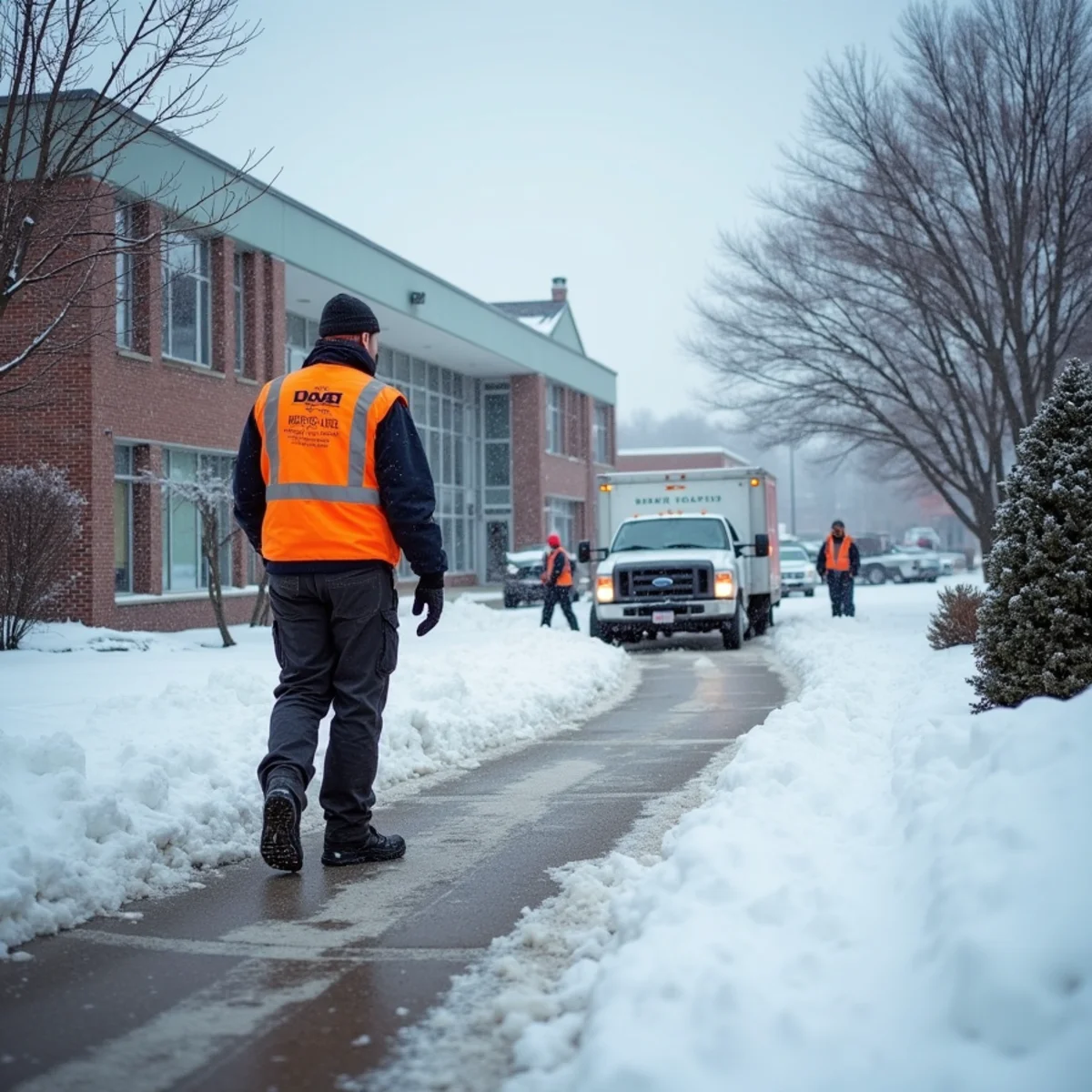
Winter is the hardest season on hardscaping in Southwest Ohio, and it is not the cold itself that does the damage. It is the freeze-thaw cycle, water working into the ground and the joints, freezing, expanding nearly ten percent, then thawing and doing it all again. Over a single Ohio winter that can happen dozens of times, and by spring you may find a wall leaning, pavers lifted into a trip hazard, or cracks that were not there in November.
What freeze-thaw actually does to a wall
A retaining wall holds back soil, and soil holds water. When that saturated backfill freezes, it expands and pushes outward on the wall with enormous force. Our regional clay makes this worse because it holds so much water and heaves so dramatically. Add a wall that was built without proper drainage or a compacted base, and each winter ratchets it a little further out of line.
- A wall that bulges or leans outward, especially in the middle of a run.
- Blocks that have shifted out of alignment or separated at the joints.
- Cracks stepping through the courses, or a wall that is no longer plumb.
- Soil or mulch washing through gaps, a sign the backfill is moving.
Heaved and cracked pavers
Paver patios and walkways suffer from the same physics from below. When water saturates the base and freezes, it lifts sections of the surface. If the original base was thin or used the wrong material, freeze-thaw heaves individual pavers or whole zones, leaving an uneven, tripping surface and gaps where joint sand has washed out.
The good news is that a paver surface is designed to be lifted and reset. When the base is sound, we can pull the affected pavers, correct the base and slope, and relay them so the repair is invisible. When the heaving is widespread, it usually means the base was undersized, and that is a rebuild conversation. Our team handles both as part of our paver patio and walkway work.
Why our region is especially tough on hardscaping
Communities like West Chester and Mason sit on dense clay soils that swing between saturated and frozen all winter. Unlike a milder climate, we get repeated hard freezes followed by thaws, sometimes several in a week. Every one of those cycles is a chance for water to expand where you do not want it. Hardscaping built to a national spec, without regional drainage and base depth, simply does not hold up here.
What a lasting repair involves
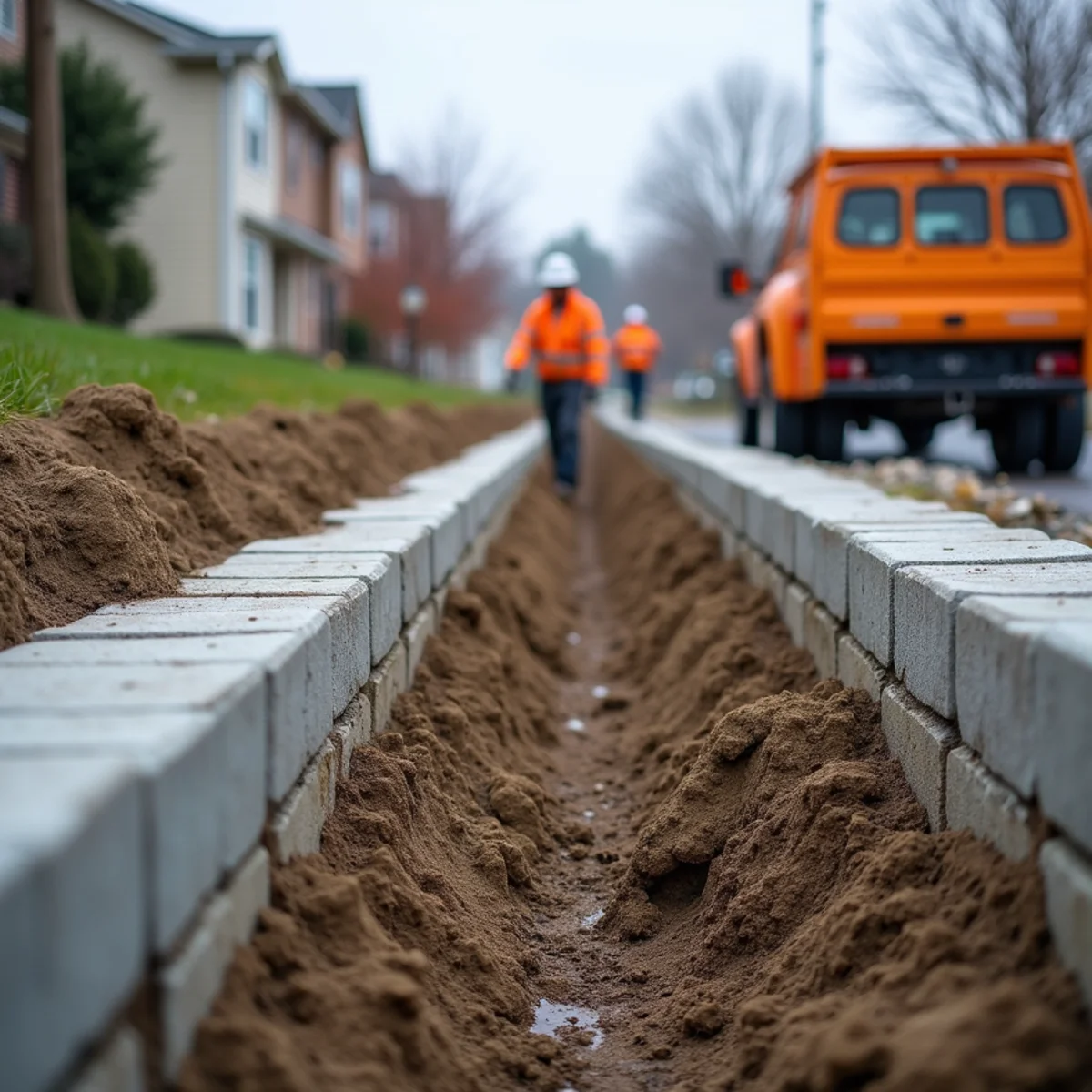
Straightening a wall and walking away guarantees you will do it again. A durable repair for retaining wall construction and repair addresses the water that caused the movement.
- Excavate the failed section and inspect the base and backfill.
- Install or restore drainage: gravel backfill, drainage pipe, and outlets so water never sits behind the wall.
- Rebuild on a compacted base to the correct depth for our frost line.
- Reset blocks plumb, with proper batter (a slight lean back into the hill) and a capped top.
Small cracks and joint sand are early warnings
Not every winter symptom is dramatic. Hairline cracks stepping through wall blocks, a cap stone that has shifted slightly, or joint sand washing out of a paver surface after each melt are all early signals that water is getting where it should not. On pavers, missing joint sand is the first domino: once the joints are open, more water gets into the base, more heaving follows, and the surface degrades faster each year. Refreshing polymeric joint sand and re-sealing at the right time is inexpensive maintenance that heads off a much larger repair. On walls, a weep hole that no longer drips after rain tells you the drainage behind it has clogged, which is the moment to act before pressure builds through another freeze-thaw season.
Catch it early, before spring makes it worse
Freeze damage rarely fixes itself, and a wall that is leaning a little in March will be leaning a lot by next winter as the movement accelerates. The same is true for heaved pavers, which only shed more joint sand and take on more water each cycle. Addressing it while the movement is small keeps the repair to a reset rather than a full rebuild.
What we check before we call a wall a rebuild
When a homeowner asks whether a leaning wall can be saved or has to come down, we do not guess from the street. We probe the backfill to see whether it is free-draining gravel or the original clay, check whether any drainage pipe exists and still flows, and measure how far out of plumb the wall has moved and whether that movement is uniform or concentrated. A wall tipping evenly on a good base is a very different problem than one bulging in the middle.
Often the honest answer is a partial rebuild: the failed section comes apart, the trapped water gets a real outlet, and the sound courses stay. Pairing that repair with proper french drain and downspout solutions where water collects behind the wall is what keeps the fix from becoming an annual ritual. Straightening block without addressing the water is the shortcut that guarantees you do it all again.
Winter hardscape damage checklist
- A wall bulging or leaning, especially mid-run.
- Cap stones shifted, or a weep hole that no longer drips after rain.
- Pavers lifted into a trip edge or joints emptied of sand.
- Fresh cracks stepping through wall courses since fall.
Have your hardscaping inspected this spring
If your wall is leaning, your pavers have lifted, or you are seeing new cracks after this winter, do not wait for the problem to compound. Call Galan's Landscaping at (323) 606-0255 and we will inspect the drainage, base, and structure, then give you an honest recommendation, whether that is a targeted reset or a proper rebuild that finally handles Ohio's freeze-thaw for good.
Frequently Asked Questions
It depends on how far it has moved and why. Minor movement caught early can sometimes be corrected, but a wall that leans because its drainage failed usually needs the failed section rebuilt with proper gravel backfill and drainage.