Kentucky Bluegrass vs. Turf-Type Tall Fescue: Which Grass Blend Wins in Southwest Ohio?

Southwest Ohio sits squarely in the transition zone, the tricky band of the country where it gets too hot for the classic northern grasses to love summer and too cold for southern grasses to survive winter. That makes grass selection genuinely important here. Pick the wrong species and you fight brown-out every August or thin, patchy turf every spring. The two contenders that dominate our lawns are Kentucky bluegrass and turf-type tall fescue, and each has real strengths.
Kentucky bluegrass: the classic beauty
Kentucky bluegrass is what most people picture as the perfect lawn, fine-textured, deep green, and dense. Its best trick is that it spreads by underground rhizomes, so it self-repairs, filling in thin spots and knitting into a thick carpet over time. That self-healing is a genuine advantage for high-traffic yards where kids and pets wear paths.
- Pros: beautiful fine texture, dense growth, self-repairing by rhizomes, excellent cold tolerance.
- Cons: shallower roots, so it needs more water in summer, goes dormant and browns in drought, and struggles in shade.
Turf-type tall fescue: the tough survivor
Turf-type tall fescue has come a long way from the coarse pasture grass of decades past. Modern varieties are much finer and darker, and they bring one huge advantage for our region: deep roots. Those roots reach moisture far below the surface, which means fescue stays green through summer heat and drought long after bluegrass has browned out. It also tolerates our clay and partial shade better.
- Pros: deep roots, excellent heat and drought tolerance, handles clay and some shade, stays green in summer.
- Cons: bunch-type growth, so it does not self-repair the way bluegrass does and needs overseeding to fill bare spots.
The answer for most Ohio lawns: a blend
The honest answer is not one or the other, it is a smart blend. A turf-type tall fescue base gives you the heat and drought toughness our summers demand, while a percentage of Kentucky bluegrass adds fine texture and self-repair. This combination handles our clay, survives the heat, and still looks great. When we handle sod installation and turf replacement, we match the blend to your specific yard, sun exposure, traffic, and soil.
How to choose your ratio
- Full sun, high traffic, drought concern: lean heavily toward tall fescue.
- Cooler, irrigated, high-visibility front lawn: add more bluegrass for that carpet look.
- Partial shade and clay: fescue-dominant blends handle it far better.
Seed, sod, or overseed?
New lawns and full renovations often go faster and cleaner with sod, which gives you an instant, weed-free lawn and works well on slopes prone to erosion. Existing lawns that are simply thinning benefit from overseeding with the right blend during the ideal fall window. Either way, the grass is only half the equation, ongoing care makes the difference.
Timing your seeding for our climate
Whatever blend you choose, when you plant it matters enormously in the transition zone. The best window for establishing cool-season grass in Southwest Ohio is late summer into early fall, roughly late August through September. The soil is still warm enough for fast germination, the nights have cooled, and weed pressure from crabgrass and other summer annuals has dropped off. Grass planted in that window puts down roots through fall and comes into its first summer already established. Spring seeding is the second-best option and works for filling thin areas, but new spring grass has to establish just as summer heat and weed pressure arrive, which makes it more work to carry through. If your lawn needs a full reset, planning it for the fall window pays off with a dramatically better result.
Don't forget the soil underneath
Grass seed does not fix compacted clay. Before seeding or sodding, relieving compaction with core aeration and, where needed, amending the top layer gives roots a fighting chance. The healthiest lawns in our area are built from the soil up, not just dropped on top of hardpan.
Care is what keeps it green
Even the perfect blend fails with poor mowing. Cutting too short is the most common mistake we see in Hamilton and Cincinnati yards, it stresses the grass and invites weeds. Proper height, sharp blades, and consistent timing are the foundation of a healthy lawn, which is why our lawn mowing and turf care mows to the right height for the season and the species rather than scalping it every week.
What OSU trials tell us about our transition zone
Turf research from Ohio State University's Extension program consistently lands on the same conclusion for our climate: no single cool-season species does everything well here, so blends and mixtures outperform monocultures. The transition zone punishes specialists. A stand that is all bluegrass browns in July heat; one that is all fescue thins where it gets shade and traffic. Combining species hedges against the extremes our summers and winters both throw at a lawn.
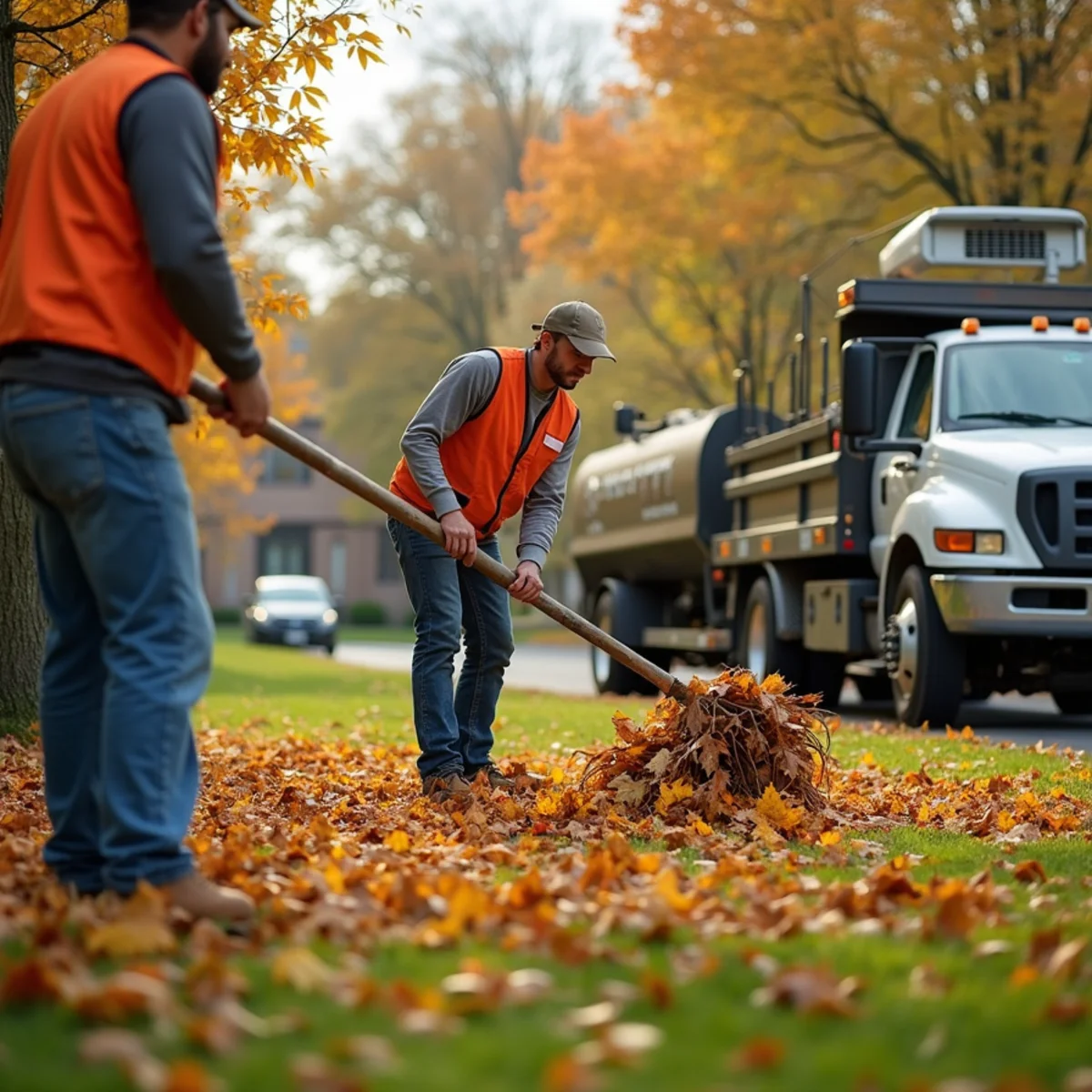
Timing follows the same evidence. Cool-season grass establishes best when the soil is warm and the nights are cool, which is late summer into fall in our area. That window overlaps neatly with a fall cleanup, so overseeding and cleanup can be handled in one coordinated visit rather than fighting spring's weed pressure and looming heat.
Fall seeding checklist for our climate
- Seed the late-August to September window for fast establishment.
- Core aerate first to give seed soil contact and relieve compaction.
- Match the blend to sun, traffic, and shade on that part of the yard.
- Keep new seed consistently moist until it establishes.
Get the right grass for your yard
The best lawn in Southwest Ohio starts with the right grass for your specific conditions and continues with proper care. Whether you are installing a new lawn, replacing a failed one, or trying to figure out why yours browns out every summer, call Galan's Landscaping at (323) 606-0255. We will recommend the blend that fits your yard and keep it looking its best year-round.
Frequently Asked Questions
A blend led by turf-type tall fescue, which handles our heat, drought, and clay, with some Kentucky bluegrass for fine texture and self-repair. The exact ratio depends on sun, traffic, and soil.