The Southwest Ohio Spring Lawn Awakening Checklist: Dethatching, Aerating & Mulching

Spring in Southwest Ohio is unpredictable, we get warm teases in March, a hard frost in April, and mud the whole time. But when the ground finally dries and the grass starts to green, what you do in those first few weeks sets the tone for the entire year. A lawn that gets the right start in spring is thicker, more drought-resistant, and better able to fend off weeds and grubs all summer. Here is the checklist we work through, in the right order.
1. Clean up what winter left behind
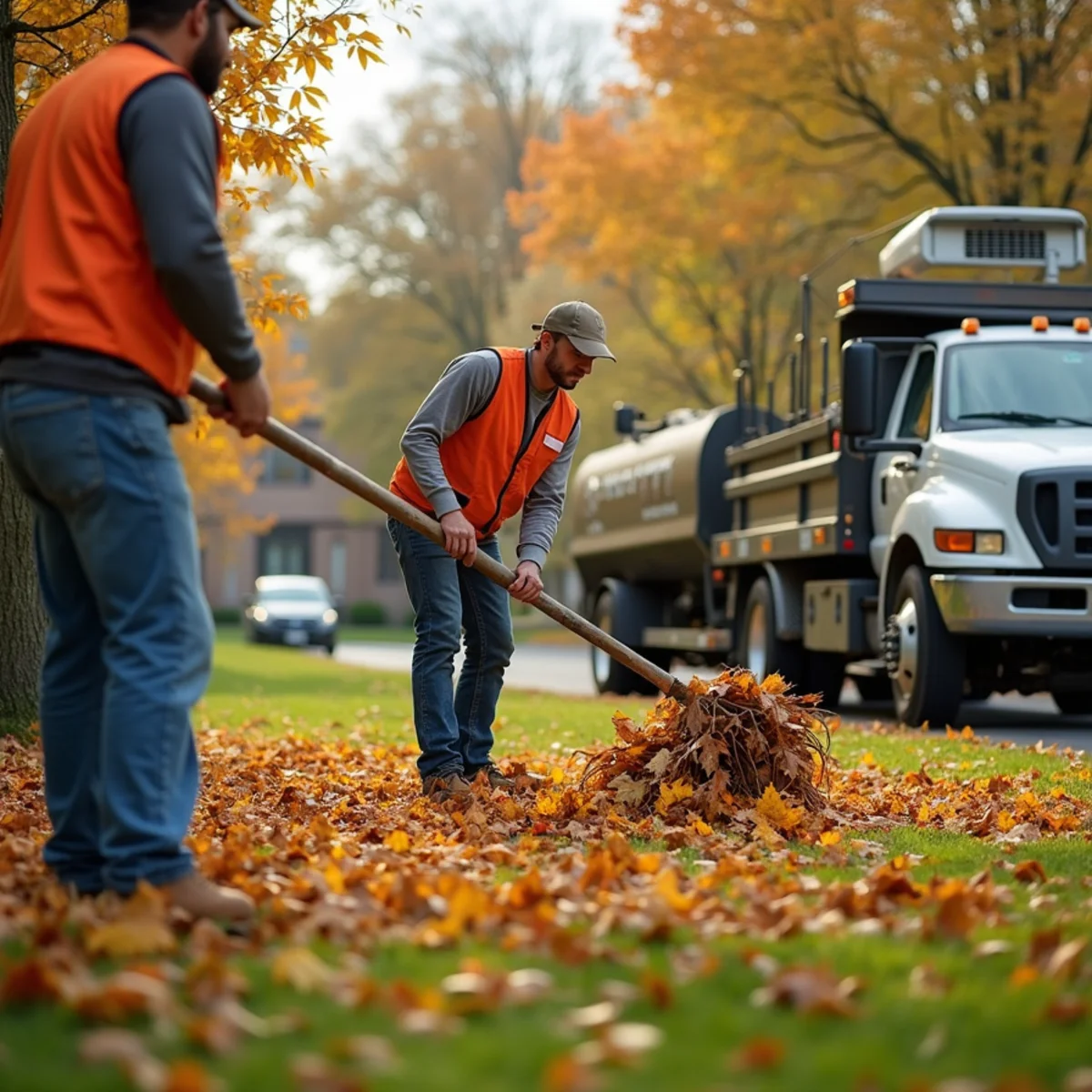
Start by clearing the debris, fallen branches, matted leaves, and dead growth that piled up over winter. Matted leaves left on the lawn smother grass and invite disease and snow mold. Clearing the beds and turf lets air and light reach the crowns and gives you a clean canvas to work from. A thorough spring cleanup is the foundation everything else builds on.
2. Assess before you act
Walk the lawn and look honestly at its condition. Are there bare patches from grubs or salt? Is the ground spongy from thatch? Are low spots staying wet? What you find determines which of the next steps your lawn actually needs, because not every lawn needs everything every year.
3. Dethatch if the thatch layer is too thick
Thatch is the layer of dead stems and roots between the soil and the green grass. A thin layer is healthy, but when it builds up past about half an inch it blocks water, air, and nutrients from reaching the roots. Dethatching pulls that layer up so the lawn can breathe. Not every lawn needs it every year, but a spongy feel underfoot is a sign yours might.
4. Aerate compacted clay soil
This is arguably the single most valuable thing you can do for a lawn on our clay. Core aeration pulls small plugs of soil out of the ground, relieving the compaction that chokes clay-soil lawns and letting water, air, and nutrients reach the roots. It also creates ideal contact points for overseeding. Given how heavily our region's soils compact, regular aeration is what separates a struggling lawn from a thriving one.
5. Overseed thin and bare areas
Right after aeration is a great time to overseed thin spots with the right blend for our climate, a deep-rooted, heat-tolerant mix. While fall is the ideal seeding window, spring overseeding helps a thin lawn recover. For lawns too far gone to seed back, sod installation delivers an instant, established lawn instead of a season of waiting.
6. Feed the lawn and manage weeds
A spring feeding gives the greening grass the nutrients it needs to thicken up, and a thick lawn is the best weed control there is. Pre-emergent timing matters for crabgrass, and consistent mowing at the proper height keeps the lawn dense. This is where ongoing lawn mowing and turf care takes over from the one-time spring reset and keeps momentum through the season.
7. Edge and mulch the beds
Finally, the step that makes everything look finished: crisp bed edges and fresh mulch. A clean edge defines the beds, and a fresh layer of mulch suppresses weeds, retains moisture through summer, and moderates soil temperature. Our mulch installation and bed edging gives a property that sharp, cared-for look while doing real work for plant health. Timing the mulch after the beds are cleaned and any spring planting is done gets you the most out of it.
The order in one glance
- Clean up winter debris and matted leaves.
- Assess the lawn's real condition.
- Dethatch if the thatch layer is thick.
- Core aerate to relieve clay compaction.
- Overseed thin and bare areas.
- Feed the lawn and manage weeds and crabgrass.
- Edge the beds and lay fresh mulch.
A word on timing and patience
The single biggest spring mistake in our region is starting too early. Working wet clay soil, whether that means aerating, dethatching, or even heavy foot traffic, compacts it and does more harm than good, and mowing before the ground firms up leaves ruts you will fight all season. Wait until the soil has dried enough that it crumbles rather than smears, and until the grass is actively growing, before doing the disruptive tasks. Our spring weather teases warm, then snaps cold, so resist the urge to push everything into the first nice weekend in March. The lawn does not benefit from being worked while it is still soggy and dormant. A patient start that respects the soil's condition beats an eager one every year, and it protects the very structure you are trying to improve.
The spring mistake that undoes the whole checklist
The single biggest spring error we see in our region is starting on wet clay. Aerating, dethatching, or even heavy mowing while the soil is still saturated compacts it and leaves ruts, doing more harm than the tasks were meant to cure. Clay that smears when you squeeze it is too wet to work; wait until it crumbles instead. The lawn gains nothing from being disturbed while it is soggy and barely out of dormancy.
Patience early pays all season long. Our spring teases warm, then snaps cold, so resist pushing every job into the first nice March weekend. Let the soil firm and the grass green and actively grow before the disruptive steps, then the aeration, seed, and feeding actually take. Rushed spring work on wet ground is a big reason some lawns struggle straight into summer.
Do-not-do-yet list for early spring
- Do not aerate or dethatch soggy, smearing clay.
- Do not mow before the ground firms enough to avoid ruts.
- Do not seed before soil temperatures are consistently rising.
- Do not mulch beds before cleanup and spring planting are done.
Get spring right and the year follows
Homeowners across Hamilton and Fairfield who invest in a proper spring start spend far less time fighting problems all summer. If you want your lawn and beds handled right from the first warm week, call Galan's Landscaping at (323) 606-0255 and we will build a spring program that sets your yard up to thrive.
Frequently Asked Questions
Core aeration. Our clay soils compact heavily, and aerating relieves that compaction so water, air, and nutrients reach the roots. It also sets up overseeding for success.