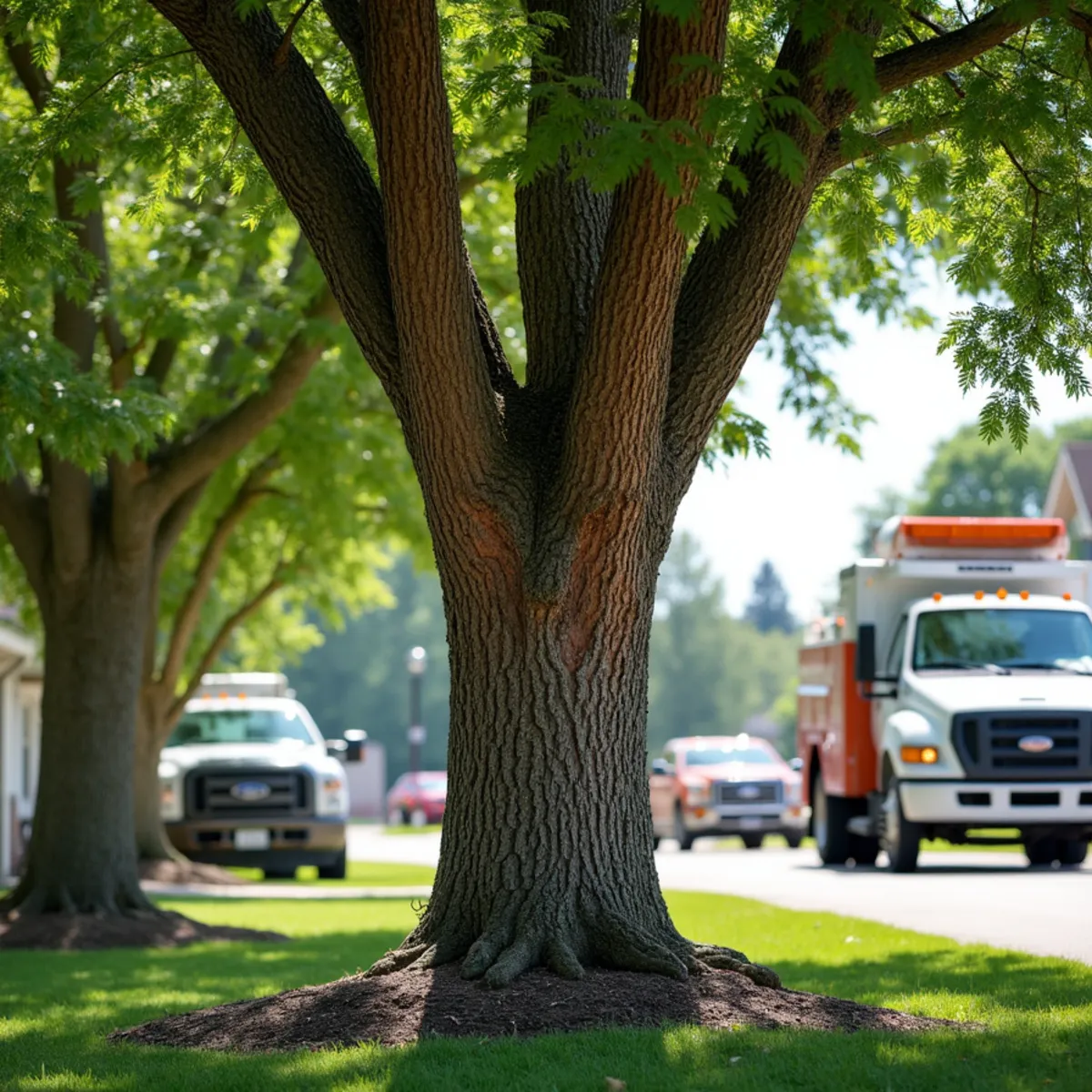
Why Your Paver Walkway Is Sinking: The Importance of Aggregate Base in Glacial Soils
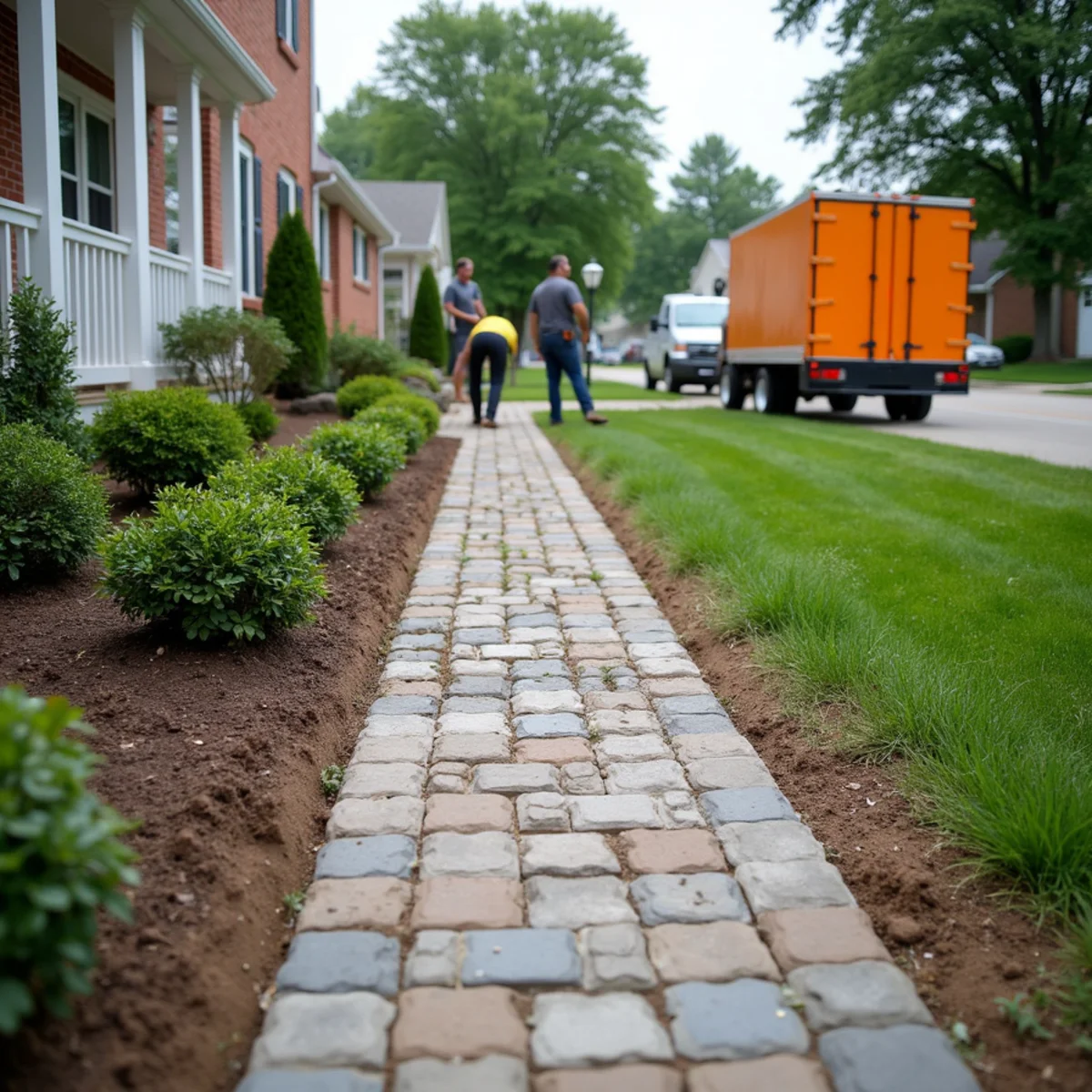
A paver walkway that has started to dip, tilt, or sink is one of the most common calls we get, and homeowners are usually surprised by the cause. The pavers themselves are almost never the problem. Concrete and stone pavers are extremely durable. What fails is the base underneath them, and in our glacial soils, a poorly built base is only a matter of time before it gives way.
A paver surface is only as good as its base
Think of pavers as the visible top of a system. Below them sits a bed of bedding sand, and below that, the part that does all the work, a compacted aggregate base. That base spreads the load, resists frost movement, and drains water away. When it is built correctly and deeply enough, pavers stay flat for decades. When it is thin, poorly compacted, or made of the wrong material, the surface sinks, tilts, and separates.
Why glacial and clay soils make it worse
Southwest Ohio's soils were shaped by glaciers, leaving a mix of dense clay, glacial till, and pockets of silt. These soils hold water and heave when they freeze. If pavers are laid on a thin base, or worse, straight on the native clay, three things happen over our winters:
- Frost heave. Water in the soil and base freezes, expands, and lifts sections of the walkway.
- Settling. Uncompacted or undersized base consolidates under foot traffic and freeze-thaw, and the surface drops.
- Erosion. Without proper drainage and edge restraint, water washes fines out from under the pavers, leaving voids.
This is exactly why the cheapest paver installations fail fastest. A crew that skips base depth to win a bid leaves you with a walkway that looks fine for a season or two and then starts to move. We see it constantly in West Chester and Loveland, and the fix is almost always to rebuild the base that should have been there originally.
What a proper repair looks like
The advantage of pavers over poured concrete is that they are made to be lifted and reset. A localized sink can often be repaired without replacing a single paver.
- Lift the affected pavers and set them aside.
- Dig out and correct the failed base, adding depth and the right compactable aggregate.
- Compact the base in lifts and re-establish the correct slope for drainage.
- Reset the bedding sand and pavers, then re-sand the joints and re-secure the edge restraint.
If the sinking is isolated, this targeted reset restores the surface. If the whole walkway is moving, it usually means the base was undersized everywhere, and a full rebuild is the honest recommendation. Either way, our paver patio and walkway service builds the base to the depth our freeze-thaw climate actually demands.
Edge restraint and drainage: the details that hold it together
Two details separate a walkway that stays put from one that spreads and sinks. Edge restraint locks the outer pavers so the whole field cannot creep outward under load. And proper slope and drainage keep water from pooling and washing out the base. On sloped sites or near a wall, we sometimes integrate the walkway with retaining wall construction so grade changes are handled properly and water is directed away from the base.
Catching base problems before they spread
A sinking walkway rarely fails all at once. It starts with one paver that rocks slightly underfoot, a joint that has opened up, or a low spot that holds a puddle after rain. Those are the moments to act, because each one lets in more water that accelerates the base failure around it. Water pooling on the surface is the clearest early warning: a walkway built and draining correctly sheds water, so standing puddles mean the slope has been lost as the base settles. Re-sanding open joints and addressing a single loose paver early can buy years before a larger reset is needed. Ignore it, and a one-paver problem becomes a whole-section rebuild as the void under the surface grows with every freeze-thaw cycle.
Do not just re-level and hope
Simply lifting a sunken paver and throwing sand underneath is a temporary patch, the base is still failing, and it will sink again by next spring. The lasting fix addresses the base and drainage that caused the movement. It costs a bit more than a patch, but it ends the cycle instead of repeating it.
Reset or rebuild: how we decide
When we lift a sinking section, the first thing we read is the base. If we find a sound, compacted aggregate base under a localized dip, the fix is a targeted reset: correct the bedding and slope, relay the same pavers, and re-sand. If the base is thin, uncompacted, or laid straight on clay across the whole run, resetting one spot only buys a season, because the rest is moving too. That is when we recommend a full base rebuild instead.
Water usually has a hand in it either way. Where a walkway sinks because runoff keeps washing fines out from under it, we address the source with french drain and downspout solutions before relaying pavers, so the rebuilt base is not undermined again by the same water that failed the first one.
Early warning signs of base failure
- A single paver that rocks or tips underfoot.
- Joints that have opened and lost their sand.
- A puddle that lingers on the surface after rain.
- An edge paver creeping outward from the field.
Get your walkway inspected
If your pavers are dipping, tilting, or creating a trip hazard, the base is telling you something. Call Galan's Landscaping at (323) 606-0255 and we will assess whether a targeted reset or a full base rebuild is the right call, then fix it so it stays flat through the winters ahead.
Frequently Asked Questions
The base underneath has failed, usually because it was too thin, poorly compacted, or laid on native clay. Frost heave, settling, and erosion then move the surface. The pavers themselves are almost never at fault.