Will Homeowners Insurance Cover Storm-Damaged Tree Removal in Butler County?
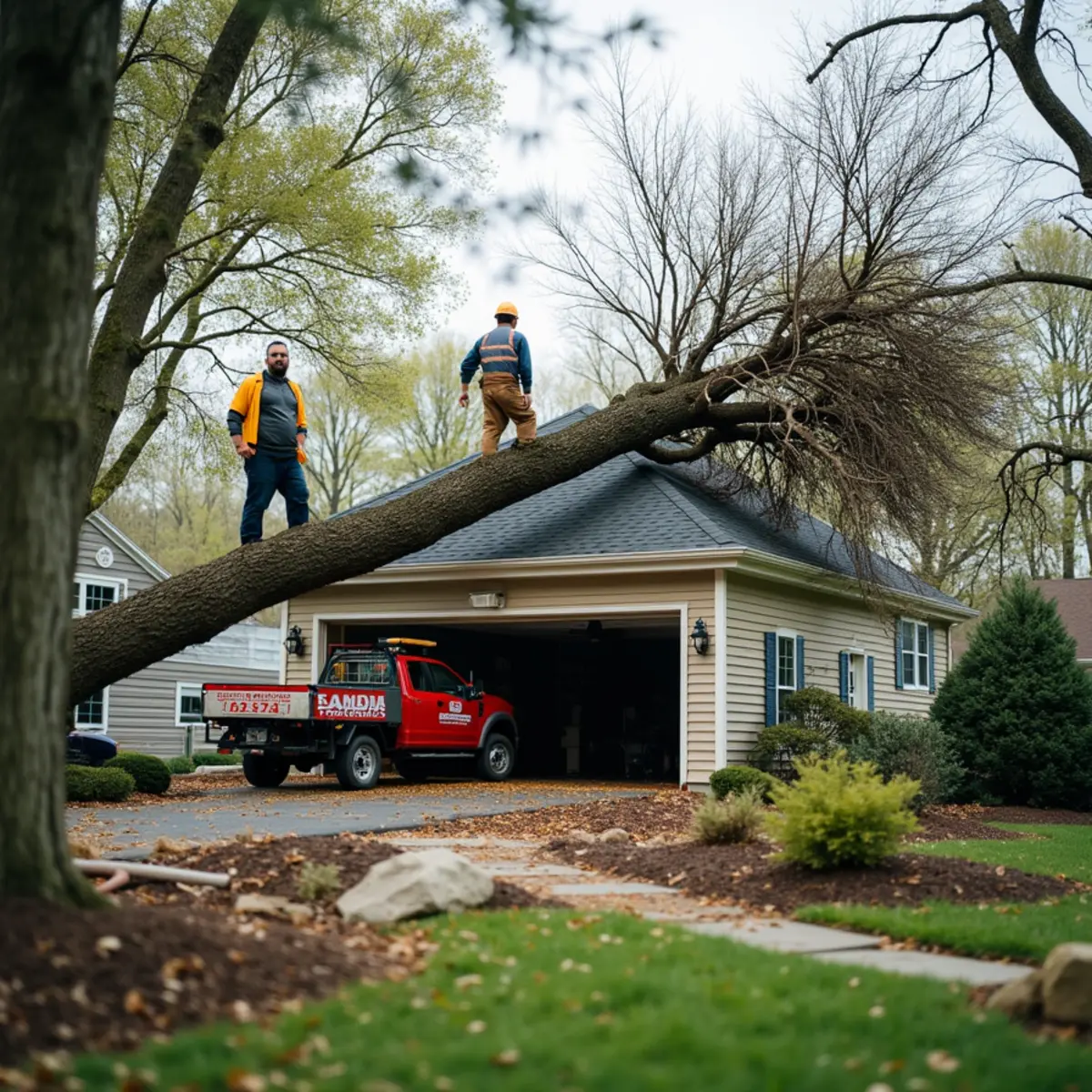
After a storm drops a tree on your property, the second question, right after "is everyone safe," is usually "will my insurance pay for this?" The answer is often yes, but it depends on what the tree hit and why it fell. Understanding the rules before you call your adjuster helps you document the right things and avoid an unpleasant surprise. We are a landscaping and tree crew, not insurance agents, but we handle these situations across Butler County constantly, and here is what we see.
The general rule: coverage follows damage to structures
Most homeowners policies cover tree removal when a storm-felled tree damages a covered structure, your house, garage, shed, or fence, and typically only up to a limit. The logic is that the policy pays to repair the damage and to remove the tree so the repair can happen. If the same tree falls in your yard and hits nothing, many policies will not pay to haul it away, because there is no damage to a covered structure.
What typically is covered
- A tree or large limb that damages your home, garage, or other covered structure in a storm.
- Removal of that tree, usually up to a per-tree or per-event dollar limit stated in your policy.
- Damage to a fence or other covered structure caused by the fall.
- Sometimes the cost to remove a tree blocking a driveway or a ramp for accessibility, depending on the policy.
What is often not covered
- A tree that falls in your yard without hitting a structure.
- Removal of a tree that came down due to neglect or obvious pre-existing disease rather than a covered peril.
- Costs above your policy's tree-removal limit.
- A tree that was already dead and should have been removed, which an adjuster may treat as a maintenance issue.
This last point is why routine tree care matters. A tree that was visibly dead or hazardous before the storm can give an insurer a reason to deny or reduce a claim, arguing the loss was preventable. Keeping mature trees inspected and dealing with hazards through proactive tree and branch removal before they fail protects both your property and your coverage.
Document before anyone touches the tree
The single most important thing you can do for your claim happens before cleanup begins. Photograph everything.
- Wide shots showing the tree in relation to the damaged structure.
- Close-ups of the actual damage: roof punctures, crushed fence, broken windows.
- Any water intrusion inside the home, with the date and time.
- The tree itself, so the cause of failure is documented.
Then call your insurer to open the claim and ask about your tree-removal limit and whether you need pre-approval. When you bring in a crew, ask for itemized documentation of the removal and any structure protection like tarping. Our storm damage cleanup includes the kind of clear, itemized records that adjusters expect to see.
What about a neighbor's tree falling on your property?
This is one of the most common questions after a storm, and the answer surprises people. If your neighbor's tree falls onto your house or garage, it is generally your own homeowners policy that responds, not theirs, because coverage follows the damaged property. The exception is negligence: if the tree was obviously dead or hazardous and your neighbor was warned and did nothing, their liability coverage may come into play. In practice, insurers usually sort that out between themselves, and your job is the same either way, document the damage, open your claim, and get the tree removed safely. The same logic runs in reverse if your tree lands on their property, which is another reason to deal with a declining tree before a storm decides the outcome.
A note for Butler County and Middletown homeowners
The straight-line wind events that hit Butler County and neighboring Middletown tend to affect many homes at once, which means adjusters are stretched and removal crews book up fast. Getting your documentation done and your claim opened quickly puts you ahead of the rush, and it lets a crew secure your home, tarping a breached roof, before the next round of rain compounds the loss.
The documentation step homeowners skip
The claim step people most often skip is proving the tree was healthy before it fell. Insurers are quick to label a downed tree a maintenance issue, and the burden of showing otherwise falls on you. If you have any photos of the tree standing and in leaf from a prior season, save them. Going forward, a quick annual photo of your mature trees is free insurance against a preventable-loss denial down the road.
Just as important is separating covered structural damage from ordinary yard cleanup on the invoice. Removing the tree off your roof is usually claimable; hauling the brush and grinding the stump may not be, and lumping them together muddies the claim. Our itemized records break out the structural work from routine yard debris and hazard removal so your adjuster sees exactly what the policy should pay.
What to gather before you call your adjuster
- Wide and close-up photos of the tree and the damage it caused.
- Any prior-season photos showing the tree was healthy.
- Your policy's tree-removal limit and deductible.
- An itemized removal estimate separating structural work from cleanup.
We handle the removal and the paperwork trail
When a storm tree comes down on your home, you have enough to deal with. Call Galan's Landscaping at (323) 606-0255 and we will safely remove the tree, protect the structure from further damage, and give you the itemized documentation your insurer needs. We cannot file the claim for you, but we can make sure you have everything to file it well.
Frequently Asked Questions
Usually not. Most policies pay for tree removal only when the tree damages a covered structure like your house, garage, or fence. A tree that falls harmlessly in the open is typically the homeowner's cost.